Ingredients
- 2 tbsp unsalted butter (or neutral oil for dark roux) Use oil or lard if taking roux to brown/dark stage
- 2 tbsp all-purpose flour Measure by spoon and level, not scoop
Instructions
- Heat the pan. Use a heavy-bottomed saucepan or skillet over medium to medium-low heat.
- Melt the fat. Add butter and let it melt completely until it just begins to foam. If using oil, heat until shimmering.
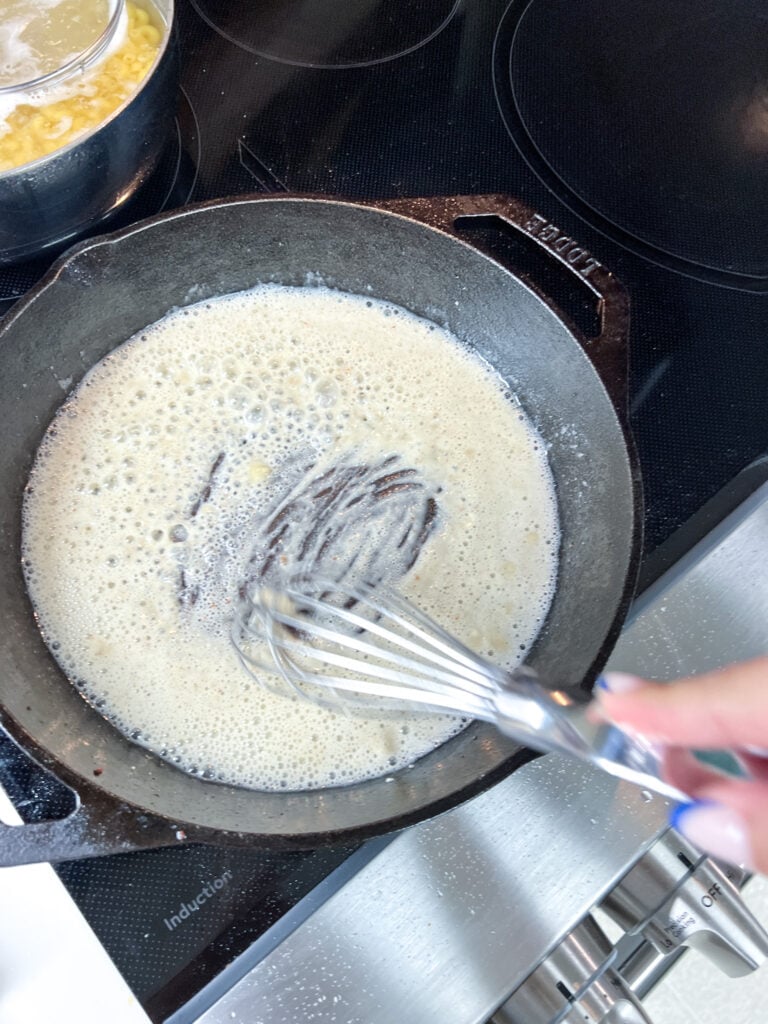
- Add flour all at once. Whisk immediately to form a smooth paste. Adjust fat or flour by tiny amounts if needed — the consistency should be thick but not dry.
- Cook to your desired stage. White roux: 2–5 minutes, just until the raw flour smell is gone. Blonde roux: 5–10 minutes until light golden and nutty. Brown roux: 15–45 minutes until peanut butter colored. Dark roux: 45–60+ minutes, deep reddish-brown. Stir constantly.
- Add warm liquid. Gradually whisk in warm milk, cream, or stock — a small splash at a time — until incorporated and smooth. This step begins the sauce, not the roux itself.
Equipment

All-Clad D3 3-Ply Stainless Steel 3 Quart Sauce Pan
Buy Now →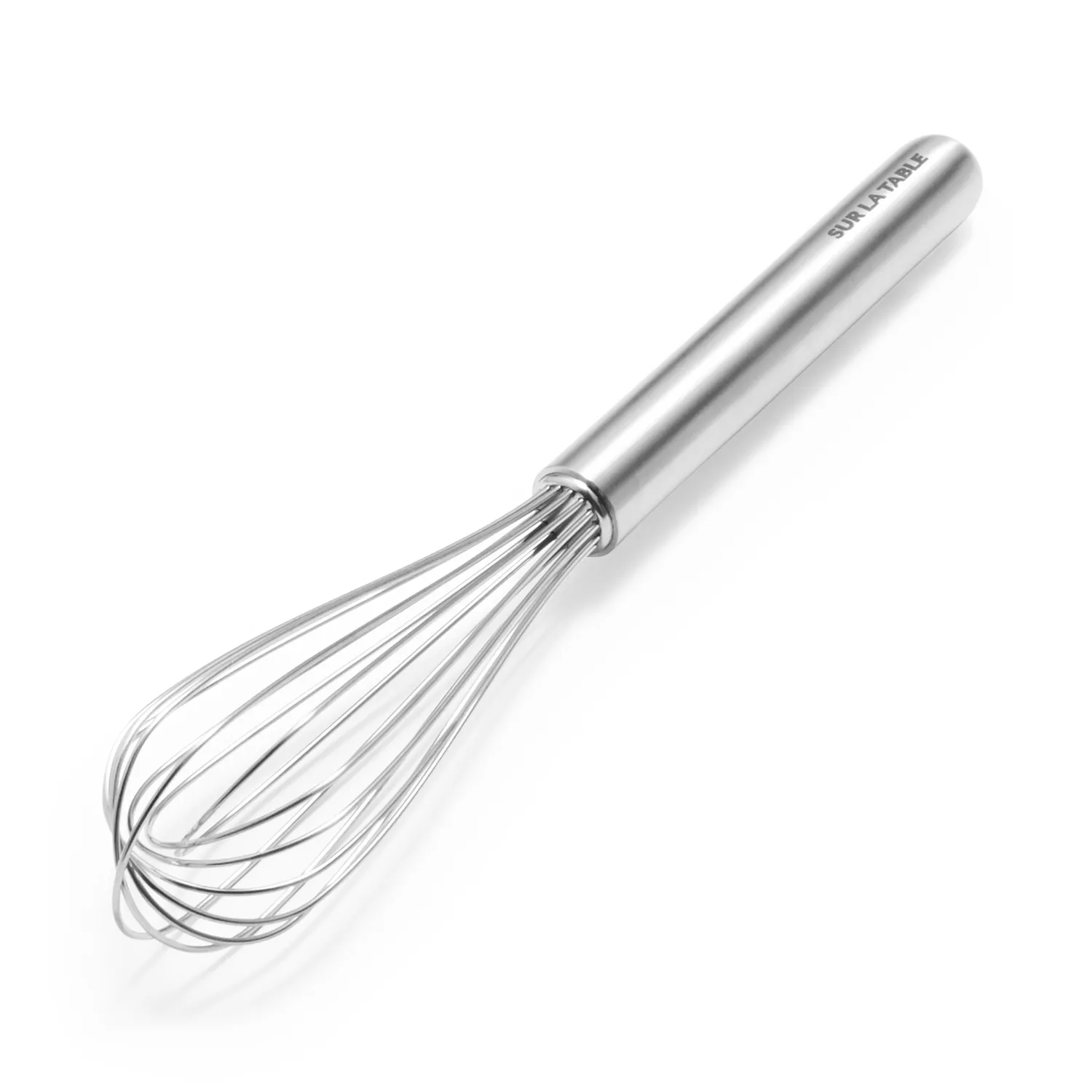
Sur La Table Stainless Steel French Whisk
Buy Now →Notes
Storage: Cool completely. Store in an airtight container in the refrigerator for up to 1 week, or freeze in tablespoon-sized portions for up to 3 months.
Gluten-free: Sweet rice flour (mochiko) is the best substitute. Use the same ratio.
For dark roux: Switch butter to neutral oil, vegetable oil, or lard — butter’s milk solids will burn before you reach the dark stage.
Equipment: A heavy-bottomed pan is important here. Thin pans create hot spots. Stainless, cast iron, or enameled cast iron all work well.
Lumps: Keep warm liquid warm (not cold), add slowly, and whisk constantly. If lumps persist, strain the finished sauce — the roux is not ruined.
Thickening note: A dark roux thickens less than a white roux because the starch breaks down during the longer cook. Use more roux per cup of liquid for a darker stage.
- Prep Time: 2 min
- Cook Time: 2 -60 min
- Category: cooking school, Technique
- Method: stove top
- Cuisine: American, Cajun, French
- Diet: dairy-free adaptable, Gluten-Free adaptable, Vegetarian