How to Use Fish Sauce (Without Making Your Food Taste Fishy)
There Are Millions of Ways to Use Fish Sauce, Which is Great Because It Never Goes Bad! Bring on that umami punch!
This post may contain affiliate links, which means that I make a small commission off items you purchase at no additional cost to you. Please read my Affiliate Disclosure
Fish sauce is one of my favorite quiet heroes in the kitchen — the kind of ingredient that makes food taste better without anyone quite knowing why. And yet, it’s also one of the most misunderstood bottles in the pantry, especially outside of Asian cooking.
The biggest misconception?
That fish sauce makes food taste fishy.
Yes, it smells bold (okay… funky). It is made from fish. But when used properly, fish sauce doesn’t announce itself — it disappears into dishes, acting more like salt with depth than anything else. In fact, I often reach for fish sauce in the same moments I’d use soy sauce… and sometimes even prefer it.
Part of My Cooking School Series
This post is part of my Cooking School Series — a growing collection of guides designed to help you understand why ingredients work, not just how to use them.
These aren’t chef-y or intimidating. They’re the things I actually use in my own kitchen to make everyday cooking feel easier, more intuitive, and more flavorful.
- Soy Sauce Basics — how to choose the right soy sauce and when to use it
- How to Use Fish Sauce — adding savory depth without making food taste fishy
- What Is a Neutral Oil? — choosing the right oil for cooking, frying, and finishing
- 5 Must-Have Asian Pantry Ingredients — versatile staples I use far beyond Asian recipes (coming soon)
First Things First: What Is Umami?
Before we talk fish sauce specifically, we need to talk umami.
Umami is a Japanese word that roughly translates to “deliciousness” or savoriness. It’s one of the five basic tastes:
- Sweet
- Salty
- Sour
- Bitter
- Umami (savory)
Umami is what makes broths feel rich, meat taste satisfying, and sauces linger just a little longer on your palate. It’s deeply comforting — and once you learn how to layer it, cooking becomes easier and more intuitive.
Fish sauce is essentially umami in liquid form.
What Exactly Is Fish Sauce?
Fish sauce is a fermented condiment most commonly made from anchovies and salt. While Vietnamese nuoc mam and Thai nam pla are the most common varieties in the U.S., versions of fish sauce exist all over the world, including:
- Filipino patis
- Cambodian tuk trey
- Malaysian budu
- Italian colatura di alici
- Japanese shottsuru
- Korean aekjeot
This isn’t a trendy ingredient — it’s an ancient one, used for thousands of years and foundational to many global cuisines.

How Fish Sauce Is Made (And Why It Works)
Fish sauce is surprisingly simple.
Anchovies are layered with salt and aged in barrels for six months to a year (or longer). During this time:
- Salt draws out moisture
- Fermentation develops flavor
- Proteins break down into deeply savory compounds
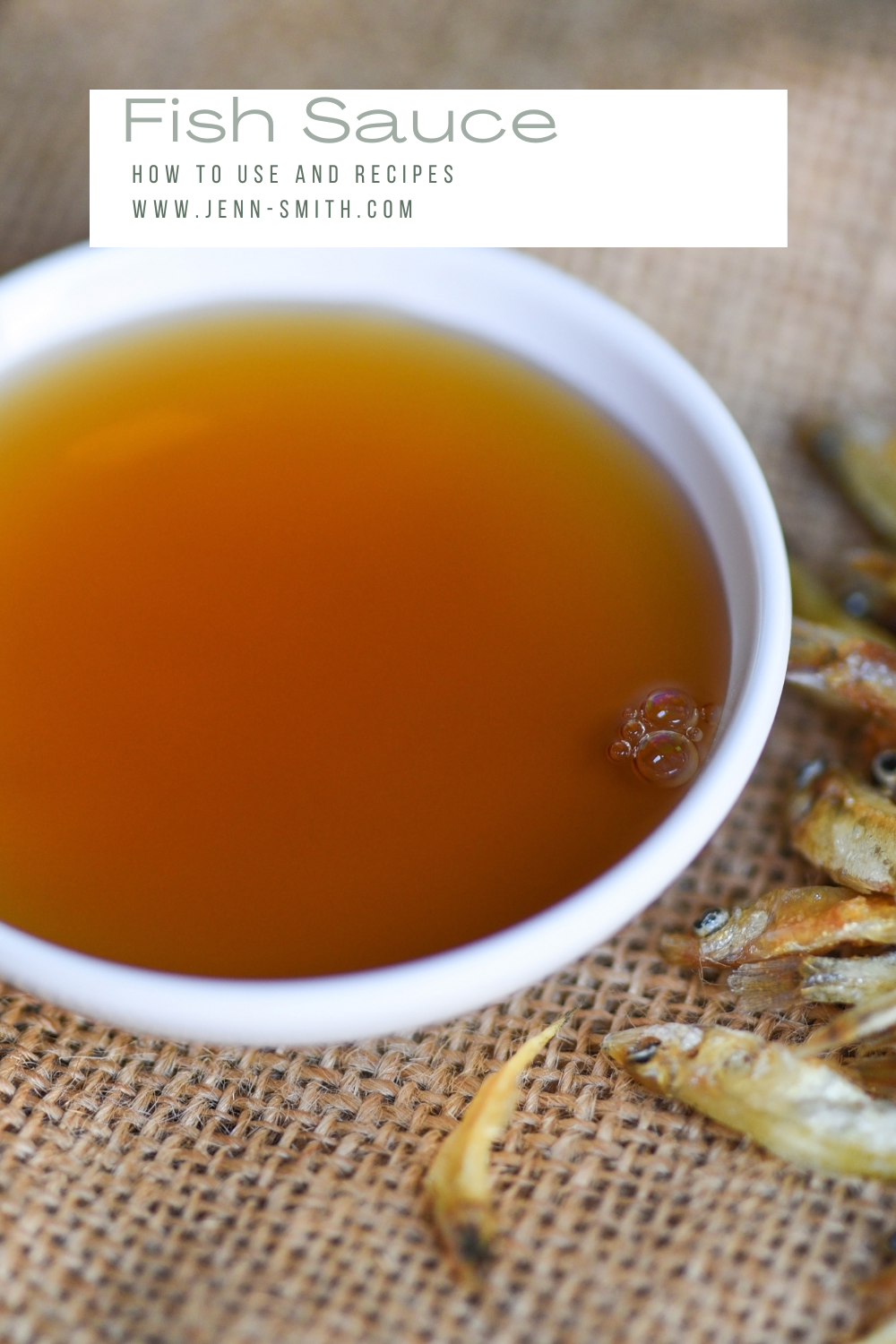
The liquid is strained, aged again, and bottled. What’s left is a clear, amber-colored sauce that delivers depth without heaviness.
This long fermentation process is why fish sauce enhances food instead of making it taste like fish.
What to Look for When Buying Fish Sauce
A good fish sauce should be simple.
Best-case ingredient list:
- Fish
- Salt
That’s it.
Some brands add sugar for balance — not a dealbreaker — but I prefer to control sweetness myself. Anything beyond that is usually unnecessary.
My go-to: Red Boat Fish Sauce
It’s clean, balanced, and not aggressively salty, which makes it easy to use across cuisines.
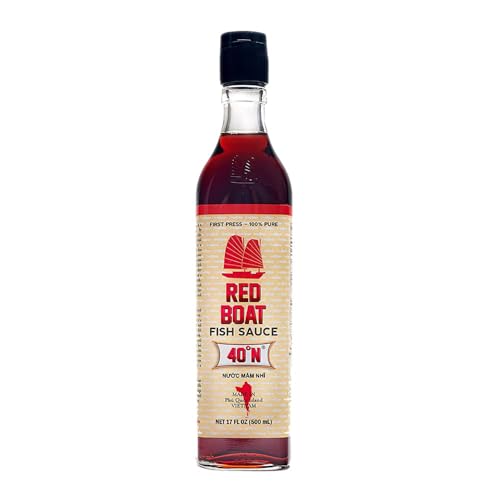
Red Boat Premium 40°N Fish Sauce (17 fl oz)
Buy Now →How to Store Fish Sauce
Fish sauce has a long shelf life and doesn’t require much fuss.
- Keeps for several years
- Flavor may deepen and darken over time
- If your kitchen runs warm or you don’t use it often, store it in the fridge
That’s it — no special treatment needed.
How to Cook With Fish Sauce (The Most Important Part)
Here’s the key thing to remember:
Fish sauce is a seasoning, not a sauce.
A few drops go a long way. You’re not trying to taste fish sauce — you’re trying to make food taste more like itself.
I use it in places where food needs depth or balance, especially when something tastes flat.
Try it in:
- Vinaigrettes (a few drops replace part of the salt)
- Pasta sauces where anchovies are traditionally used — like marinara or my One-Pot Rigatoni Ragu
- Noodle dishes and stir-fries
- Braised meats and marinades
- Soups and stews (yes, even comfort classics like One-Pot Ground Beef Stroganoff)
- Creamy dips and dairy-based sauces, where it adds savoriness without sharpness
If you’re ever unsure, start with ½ teaspoon, taste, and adjust. You can always add more — you can’t take it out.
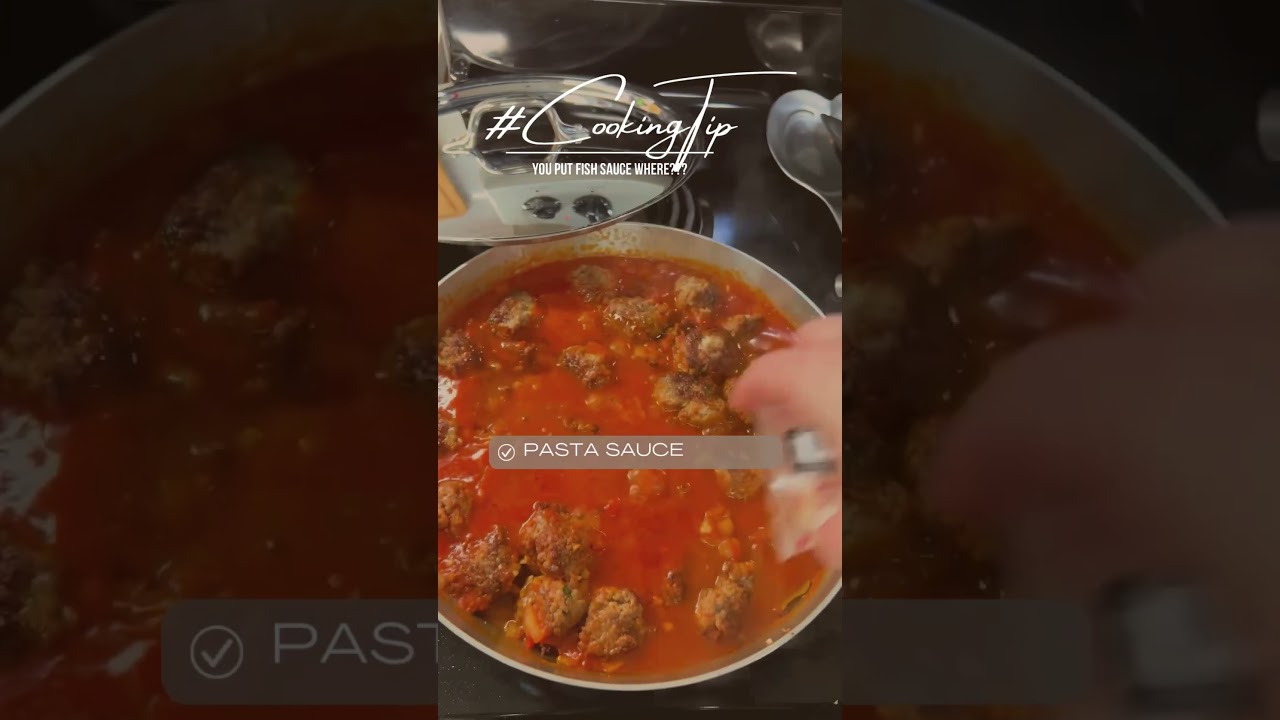
Watch: How I Actually Use Fish Sauce
I use fish sauce constantly — not just in Asian dishes, but in everyday cooking.
Recipes That Use Fish Sauce (Without Anyone Guessing)
These are some of my favorite recipes where fish sauce adds depth without stealing the spotlight:
Let’s Cook Together
What are you going to try fish sauce in?
Leave a comment below and tell me what you’re making — and don’t forget to tag me on Instagram or Facebook @CheersJennSmith so I can share your creations. You can also save this post to Pinterest for later and follow along using #CheersJennSmith.
©2022–2026 Jenn Giam Smith™ · Jenn Smith, LLC
Content published under the Cheers, Jenn brand.