What Is a Neutral Oil? How to Choose the Best Cooking Oils for Everyday Use
Not all cooking oils are created equal. In this guide, I’m breaking down what neutral oils are, the best oils for everyday cooking, allergy considerations, and the truth about seed oils—without fear, confusion, or food shaming.
This post may contain affiliate links, which means that I make a small commission off items you purchase at no additional cost to you. Please read my Affiliate Disclosure
Choosing the right cooking oil can feel overwhelming—especially with conflicting advice about neutral oils, seed oils, and high-heat cooking. One aisle at the grocery store can spark way too many questions.
This post is here to simplify things.
We’ll talk about what neutral oils actually are, which ones I use most often, how food allergies factor in, and how to think clearly about seed oils and processing—without panic or extremes.
Part of My Cooking School Series
This post is part of my Cooking School Series — a growing collection of simple, practical guides designed to help you understand why ingredients work, not just how to use them.
These aren’t chef-y or intimidating. They’re the things I actually use in my own kitchen to make everyday cooking feel easier, more intuitive, and more flavorful.
If you’re building pantry confidence, start here:
- Soy Sauce Basics — how to choose the right soy sauce and when to use it
- How to Use Fish Sauce — adding savory depth without making food taste fishy
- 5 Must-Have Asian Pantry Ingredients — versatile staples I use far beyond Asian recipes (coming soon)
👉 All of my Cooking School posts are meant to work together—mix, match, and come back anytime you need a refresher.
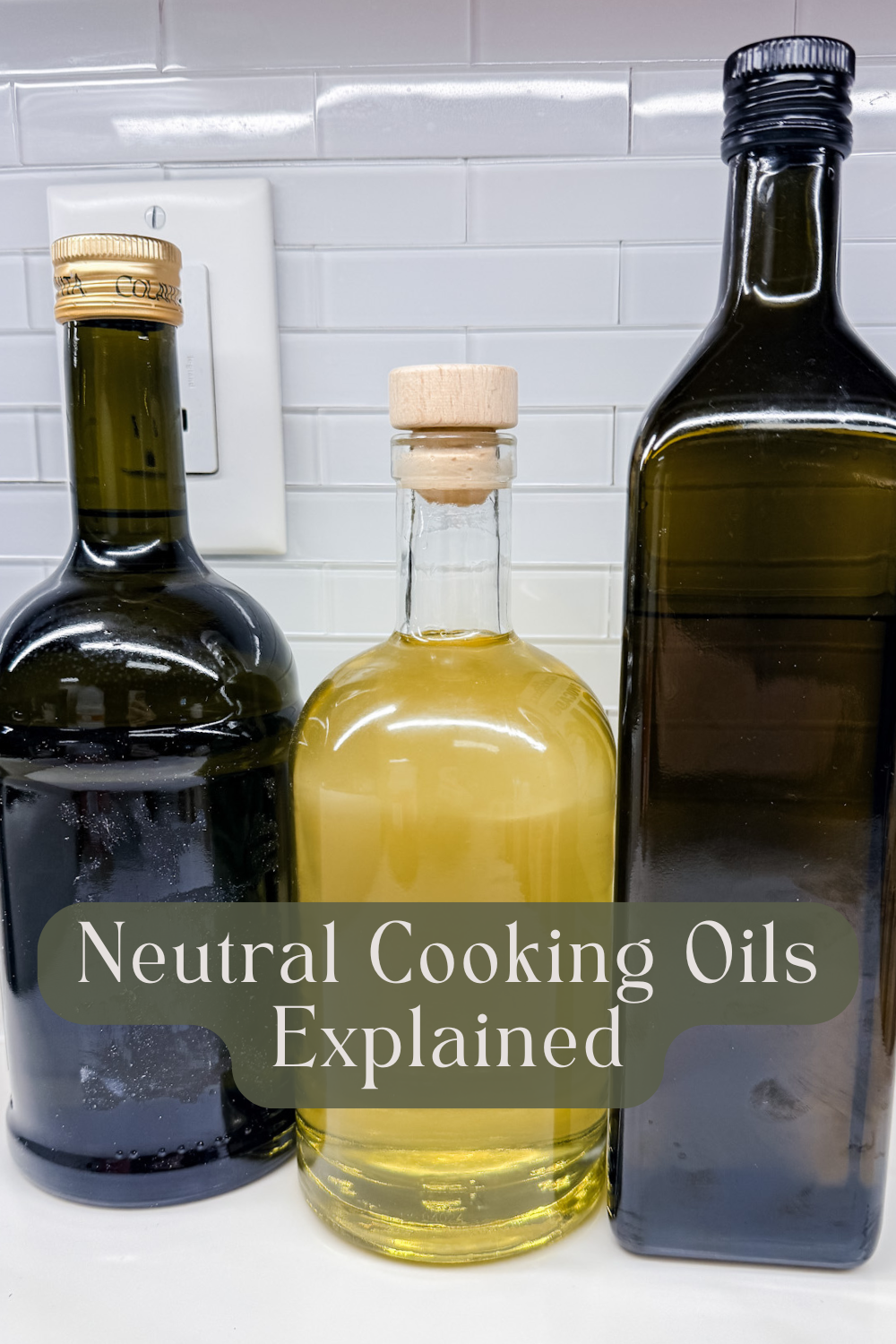
What Is a Neutral Oil?
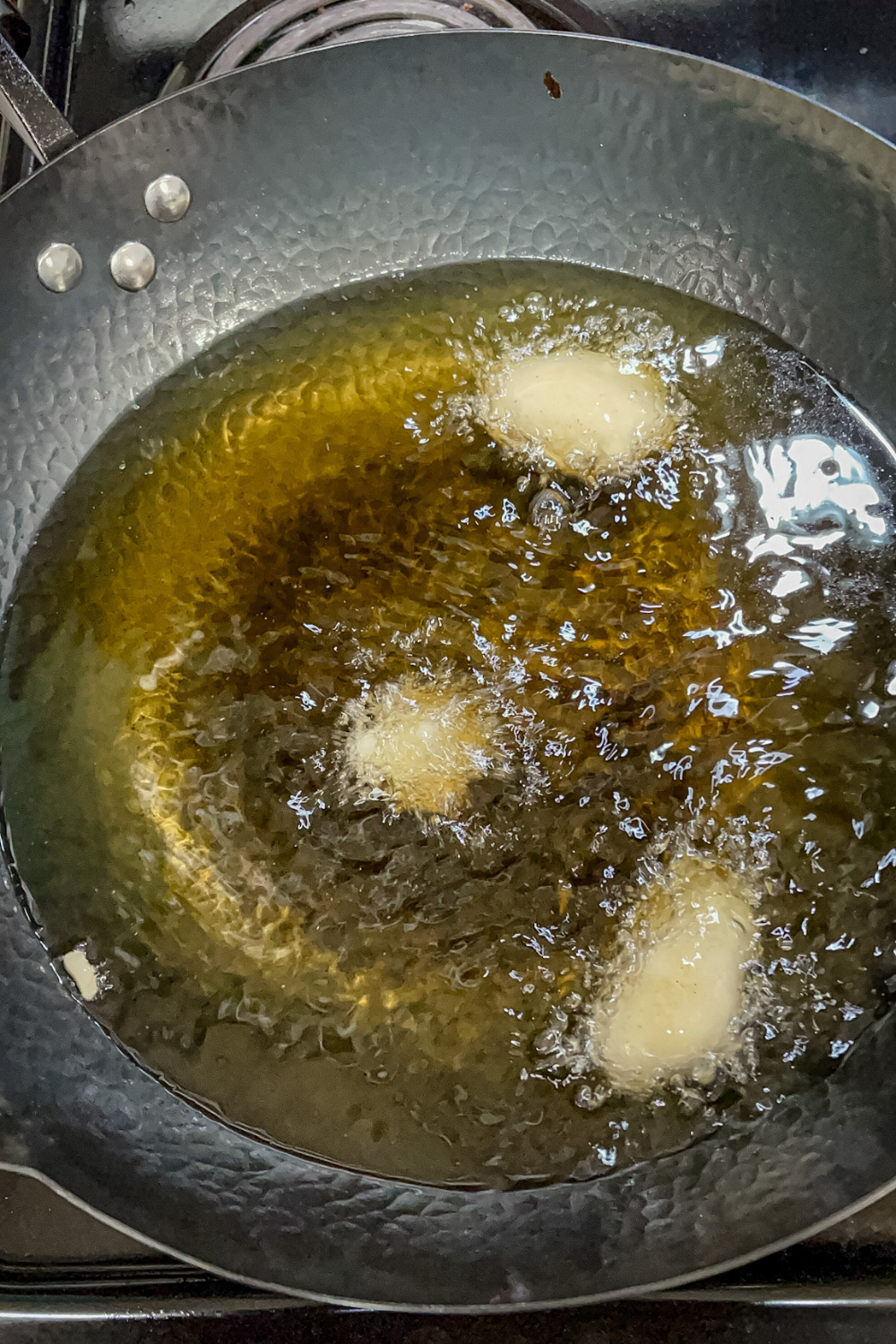
A neutral oil is a cooking oil with a mild flavor and aroma that doesn’t overpower the dish. Its job is to support your ingredients—not compete with them.
Neutral oils are ideal for:
- Sautéing and stir-frying
- Roasting vegetables
- Baking
- Pan-searing proteins
- High-heat cooking
If flavor isn’t the goal of the oil, neutrality is.
Common Neutral Oils Used in Cooking
Some of the most commonly used neutral oils include:
Each oil differs in smoke point, processing method, and allergy considerations, which is why context matters more than blanket rules.
My Preferred Neutral Oils (And Why)
These are the neutral oils I reach for most often in my own kitchen.
Avocado Oil
Avocado oil is my everyday workhorse. It has a very high smoke point, a clean flavor, and works for almost everything—from roasting and sautéing to pan-searing and baking. It’s especially helpful when you want one oil that can handle multiple jobs.
Peanut Oil
Peanut oil shines in high-heat cooking, especially stir-fries and frying. Its flavor is subtle enough to stay neutral in savory dishes and it performs beautifully when heat control matters.
Olive Oil (When It Can Be Neutral)
Extra-virgin olive oil is flavorful by design—but light or refined olive oil behaves much more like a neutral oil. It’s great for baking, sautéing, and everyday cooking when you want a gentler option.
These are the neutral oils I keep on hand and reach for most often in my own kitchen.
 Buy Now →
  Buy Now →
  Buy Now →
 Food Allergy Considerations When Choosing Cooking Oils
Some cooking oils are derived from common allergens, including:
- Peanuts
- Soy
- Sesame
While highly refined oils may remove most allergenic proteins, they are not guaranteed to be safe for everyone.
When cooking for guests or family:
- Always disclose which oil you’re using
- Avoid allergen-derived oils when unsure
- Choose generally allergy-friendly options like avocado oil
Cooking thoughtfully builds trust and keeps everyone comfortable at the table.
Seed Oils Explained (Without the Fear)
Seed oils get a lot of criticism online—but the truth is more nuanced.
The concern isn’t seed oils themselves. It’s how some of them are processed.
When Seed Oils Can Be Problematic
Some industrial seed oils are:
- Chemically extracted
- Highly refined at extreme temperatures
- Bleached and deodorized
- Reheated repeatedly
This level of processing can reduce stability and nutritional value.
When Seed Oils Can Be Fine
Seed oils that are:
- Cold-pressed
- Minimally processed
- Used at appropriate temperatures
…can absolutely have a place in a balanced kitchen.
Internal link idea: Connect this discussion to 5 Must-Have Asian Pantry Ingredients for real-world usage.
How to Choose the Best Neutral Oil for Your Kitchen
Instead of labeling oils as “good” or “bad,” consider:
- Cooking method (high heat vs low heat)
- Processing method
- Flavor impact
- Allergy needs
A few high-quality neutral oils will take you far—no need to overcomplicate it.
Neutral Cooking Oil Comparison Chart
| Oil | Smoke Point | Best Uses | Allergy Notes |
|---|---|---|---|
| ⭐ Avocado Oil (Jenn’s Pick) | ~500°F | High-heat cooking, roasting, sautéing, pan-searing | Generally allergy-friendly |
| ⭐ Peanut Oil (Jenn’s Pick) | ~450°F | Stir-fries, frying, high-heat cooking | Contains peanut |
| ⭐ Light / Refined Olive Oil (Jenn’s Pick) | ~465°F | Baking, sautéing, everyday cooking | Olive allergy is rare |
| Canola Oil | ~400°F | Baking, sautéing, general use | Usually soy-free, check labels |
| Vegetable Oil | ~400–450°F | Frying, baking | Blend may include soy |
| Grapeseed Oil | ~420°F | Sautéing, light frying | Grape allergy uncommon |
| Sunflower Oil | ~440°F | Frying, roasting | Possible seed allergy |
| Soybean Oil | ~450°F | Frying, commercial cooking | Soy allergen |
Note: Smoke points can vary by brand and processing method. Always check labels.

If You Only Buy One Oil…
If I had to choose just one oil to keep in my kitchen, it would be avocado oil.
It’s neutral, handles high heat beautifully, works for nearly everything, and is generally allergy-friendly. It’s the oil I reach for when I don’t want to think—I just want dinner to work.
If you’re simplifying your pantry or starting from scratch, avocado oil is the most versatile place to start.
Final Thoughts on Neutral Cooking Oils
Neutral oils aren’t boring—they’re practical.
When you understand how oils behave, how they’re processed, and who you’re cooking for, choosing the right one becomes simple instead of stressful.
You don’t need every oil on the shelf. Just a few you trust—and know how to use.
Frequently Asked Questions
Extra-virgin olive oil is not neutral because it has a distinct flavor. But light/refined olive oil can act like a neutral cooking oil because it has a milder taste and works well for sautéing, baking, and everyday cooking.
If you only choose one, avocado oil is my top pick. It has a clean flavor, handles high heat well, and is one of the most versatile oils for roasting, sautéing, and pan-searing.
For high heat, oils like avocado oil and peanut oil perform well. Always check the bottle for brand-specific guidance since smoke points can vary by processing and refinement.
Seed oils aren’t automatically “bad.” The bigger concern is harsh industrial processing (chemical extraction, high-heat refining, deodorizing). Minimally processed options and appropriate cooking temps matter more than a blanket label.
A smoke point is the temperature at which an oil starts to smoke and break down. Cooking past it can create unpleasant flavors and reduce stability—so it helps to match your oil to the cooking method.
Peanut oil requires caution. Some highly refined peanut oils may contain very little allergenic protein, but it’s not considered universally safe for people with peanut allergies. When cooking for others, it’s best to avoid peanut oil unless you’re certain it’s safe for everyone at the table.