Soy Sauce 101: The Japanese & Chinese Soy Sauces I Actually Use
What are the main types of soy sauce?
The most commonly used soy sauces fall into two categories: Japanese soy sauce (shoyu), used for everyday cooking, and Chinese soy sauce (jianyou), which includes light soy sauce for seasoning and dark soy sauce for color and depth.
This post may contain affiliate links, which means that I make a small commission off items you purchase at no additional cost to you. Please read my Affiliate Disclosure
Soy sauce is one of those ingredients that quietly does a lot of heavy lifting in my kitchen. It seasons, deepens, balances, and adds that unmistakable umami that makes food taste complete.
But here’s the thing: soy sauce isn’t one-size-fits-all.
Different styles exist for different cuisines, and grabbing the wrong bottle can change the salt level, color, and overall balance of a dish. Once I understood that, cooking with soy sauce felt less confusing—and a lot more intentional.
This guide breaks down the soy sauces I actually use—ones you can find in almost any grocery store, even in small towns like where I live in Wisconsin. I’ll share why I use them and how they show up in real, everyday recipes from my kitchen.
My goal here isn’t to overwhelm you with options or turn soy sauce into something intimidating. It’s to help you feel confident walking into the store, choosing the right bottle, and using it with purpose at home.
Part of My Cooking School Series
This post is part of my Cooking School Series — a growing collection of guides designed to help you understand why ingredients work, not just how to use them.
These aren’t chef-y or intimidating. They’re the things I actually use in my own kitchen to make everyday cooking feel easier, more intuitive, and more flavorful.
- Soy Sauce Basics — how to choose the right soy sauce and when to use it
- How to Use Fish Sauce — adding savory depth without making food taste fishy
- What Is a Neutral Oil? — choosing the right oil for cooking, frying, and finishing
- 5 Must-Have Asian Pantry Ingredients — versatile staples I use far beyond Asian recipes (coming soon)
A Quick Note on Style (and Why It Matters)
Most of the soy sauces I use fall into two main categories:
- Japanese koikuchi soy sauces for everyday, all-purpose cooking
- Jianyou (醬油): Chinese soy sauces for dishes where color, depth, and traditional technique matter
This post leans more heavily on the soy sauces I personally use most—not because theyThe Soy Sauces I Keep on Hand
Shoyu: Japanese Soy Sauce
Japan produces some of the highest-quality soy sauces in the world. Much like fine wine, artisanal, naturally brewed soy sauces can take months—or even years—to ferment and age in barrels. Some specialty bottles can cost well over $100, reflecting the craftsmanship and time involved.
There are five main categories of Japanese soy sauce:
- Koikuchi – dark soy sauce (the most common)
- Usukuchi – lighter in color, but saltier
- Tamari – thicker, richer, often wheat-free
- Shiro Shoyu – very light and delicate
- Saishikomi – sweeter, double-brewed soy sauce
For my everyday cooking, I personally rely on Kikkoman, primarily the koikuchi style.The Soy Sauces I Keep on Hand
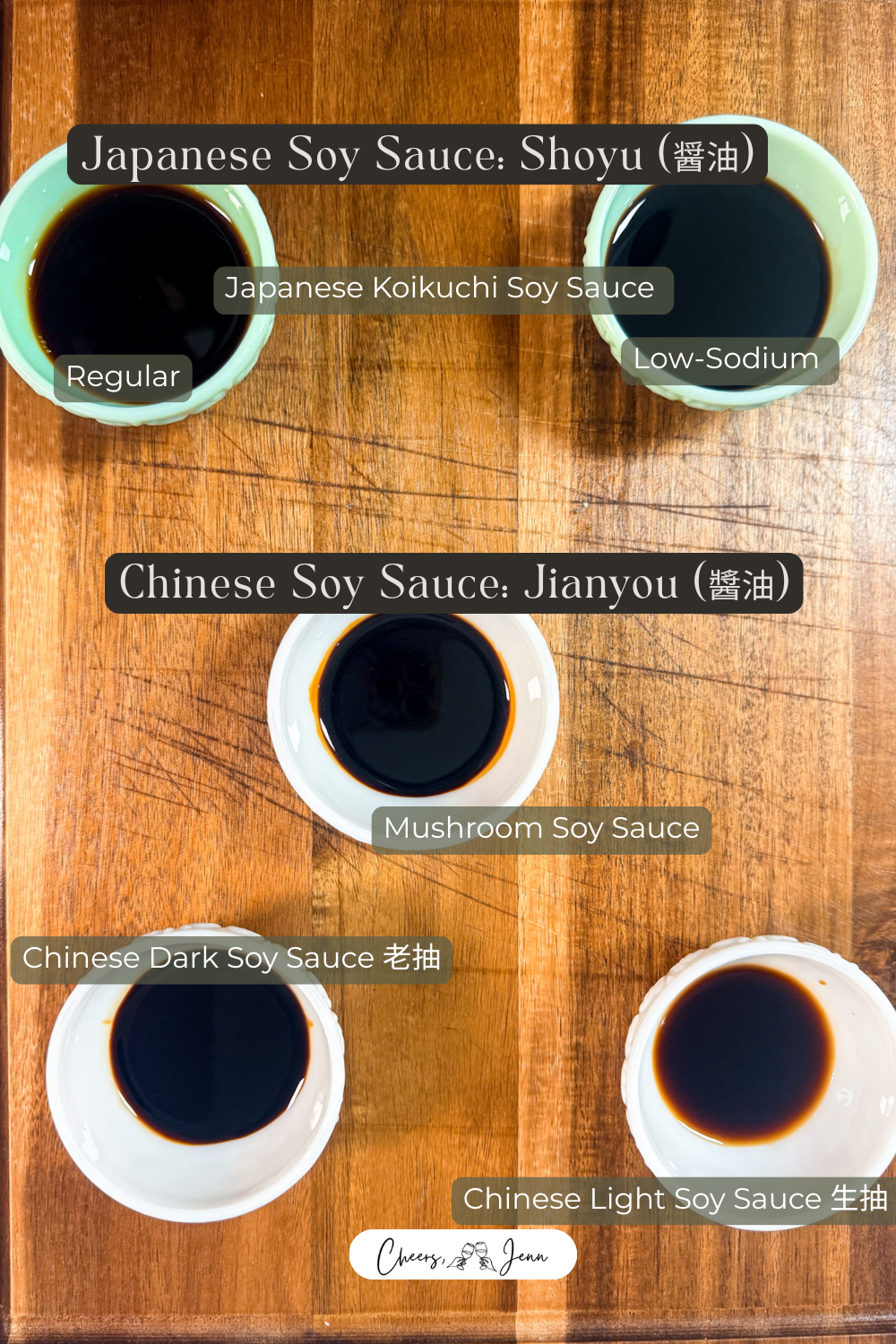
Japanese Soy Sauce: Shoyu (醤油)
Japan produces some of the highest-quality soy sauces in the world. Much like fine wine, artisanal, naturally brewed soy sauces can take months—or even years—to ferment and age in barrels. Some of these specialty bottles can cost up to $150, reflecting the craftsmanship and time involved.
There are five main categories of Japanese soy sauce:
- Koikuchi – dark soy sauce (the most common)
- Usukuchi – lighter in color, but saltier
- Tamari – thicker, richer, often wheat-free
- Shiro Shoyu – very light and delicate
- Saishikomi – sweeter, double-brewed soy sauce
For my everyday cooking, I personally rely on Kikkoman, primarily the koikuchi style.
Japanese Koikuchi Soy Sauce (Everyday Regular)
This is my daily driver, and what I use most often when a recipe simply says “soy sauce.”
Why I use it:
- Smooth, balanced flavor
- Naturally brewed
- Consistent and reliable
Best for:
- Everyday stir-fries
- Marinades
- Salad dressings
- Dipping sauces
This is the soy sauce I reach for without thinking.
Japanese Koikuchi Low-Sodium Soy Sauce
Same great flavor, just less salt—which means more control.
I use low-sodium soy sauce when:
- Building soups or broths
- Cooking for kids
- Layering flavors with other salty ingredients
Low sodium doesn’t mean bland—it simply gives you flexibility.
Chinese Soy Sauce: Jianyou (醬油)
In Chinese cooking, there are two primary soy sauces you’ll see used most often: light soy sauce and dark soy sauce. I also love mushroom soy sauce, which is typically a dark soy sauce infused with mushroom extract.
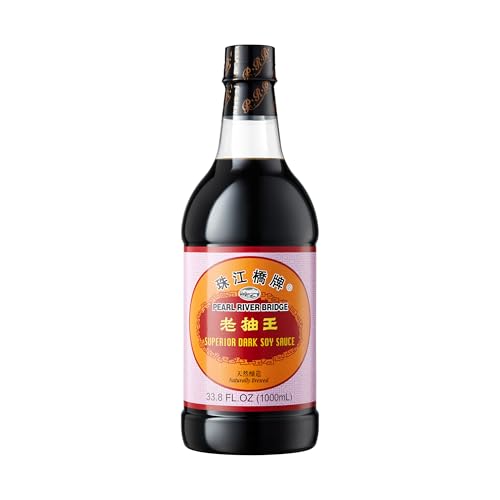
For Chinese-style soy sauces, my go-to brand is Pearl River Bridge. It’s traditionally brewed, widely available, aChinese Light Soy Sauce 生抽 (Sheng Chou)
Despite the name, light soy sauce is not low sodium.
Think of it as:
- Thin
- Salty
- Designed to season food without darkening it
Best for:
- Stir-fries
- Noodles
- Dumpling fillings
- Quick sauces
If Japanese soy sauce is my everyday baseline, light soy sauce is my precision seasoning tool for Chinese cooking.
Chinese Light Soy Sauce 生抽 (Sheng Chou)
Despite the name, light soy sauce is not low sodium.
Think of it as:
- Thin
- Salty
- Designed to season food without darkening it
Best for:
- Stir-fries
- Noodles
- Dumpling fillings
- Quick sauces
If Japanese soy sauce is my everyday baseline, light soy sauce is my precision seasoning tool for Chinese cooking.
Chinese Dark Soy Sauce 老抽 (Lao Chou)
Dark soy sauce is about color and richness, not salt.
It is:
- Thicker
- Slightly sweet
- Almost molasses-like
Best for:
- Braises
- Red-cooked dishes
- Stir-fries where you want deep, glossy color
You don’t use much—but what it adds is unmistakable.
Mushroom Soy Sauce
Mushroom soy sauce is a deeply savory, umami-rich condiment—often a type of dark soy sauce—infused with mushroom extracts or whole mushrooms (such as straw mushrooms or Chinese black mushrooms).
Why I love it:
- Adds depth and complexity
- Earthy, slightly smoky flavor
- Fantastic for plant-forward dishes
This is the bottle I reach for when something tastes good… but needs just one more layer.
Soy Sauce Comparison Chart
Not all soy sauces serve the same purpose. This chart breaks down the key differences so you know exactly which bottle to reach for.
| Soy Sauce Type | Style | Salt Level | Texture | Color Impact | What It’s Best For |
|---|---|---|---|---|---|
| ⭐ Japanese Koikuchi Soy Sauce If you only buy one… start here | Japanese | Medium | Thin | Medium brown | Everyday cooking, marinades, dressings, dipping |
| Japanese Koikuchi Low-Sodium Soy Sauce | Japanese | Low–Medium | Thin | Medium brown | Soups, broths, layered seasoning |
| Chinese Light Soy Sauce 生抽 | Chinese | High | Thin | Light | Stir-fries, noodles, dumplings |
| Chinese Dark Soy Sauce 老抽 | Chinese | Low–Medium | Thick | Dark | Braises, red-cooked dishes |
| Mushroom Soy Sauce | Chinese (Dark Variation) | Medium | Thick | Dark | Stir-fries, soups, marinades |
| Chemically Produced “Regular” Soy Sauce | Industrial | High | Thin | Artificial | Quick seasoning, less depth |
A Note on Mass-Produced Soy Sauces in American Stores
Many inexpensive “regular” soy sauces commonly found in American grocery stores are chemically produced, rather than traditionally brewed.
To speed up production, some companies—such as La Choy and Aloha Shoyu—use hydrochloric acid to break down soy proteins instead of relying on natural fermentation. The resulting mixture is then flavored with ingredients like corn syrup, caramel coloring, and preservatives such as potassium sorbate.
Sanbunhae Ganjang, a Korean-style soy sauce, is another example of this production method.
These soy sauces aren’t necessarily unsafe, and many people grew up cooking with them. However, they tend to lack the depth, balance, and complexity you get from naturally brewed soy sauces—which is why I prefer traditionally fermented options in my own kitchen.
Which Soy Sauce Should I Buy?

If you’re just getting started—or want to upgrade your pantry—these are the soy sauces I personally use and recommend most. They’re reliable, easy to find, and great foundations for confident home cooking.
Shoyu: Japanese Soy Sauce
 Buy Now →
  Buy Now →
 Jianyou (醬油): Chinese Soy Sauce
 Buy Now →
  Buy Now →
  Buy Now →
 You don’t need every bottle to cook well. Start with one or two, and build from there.
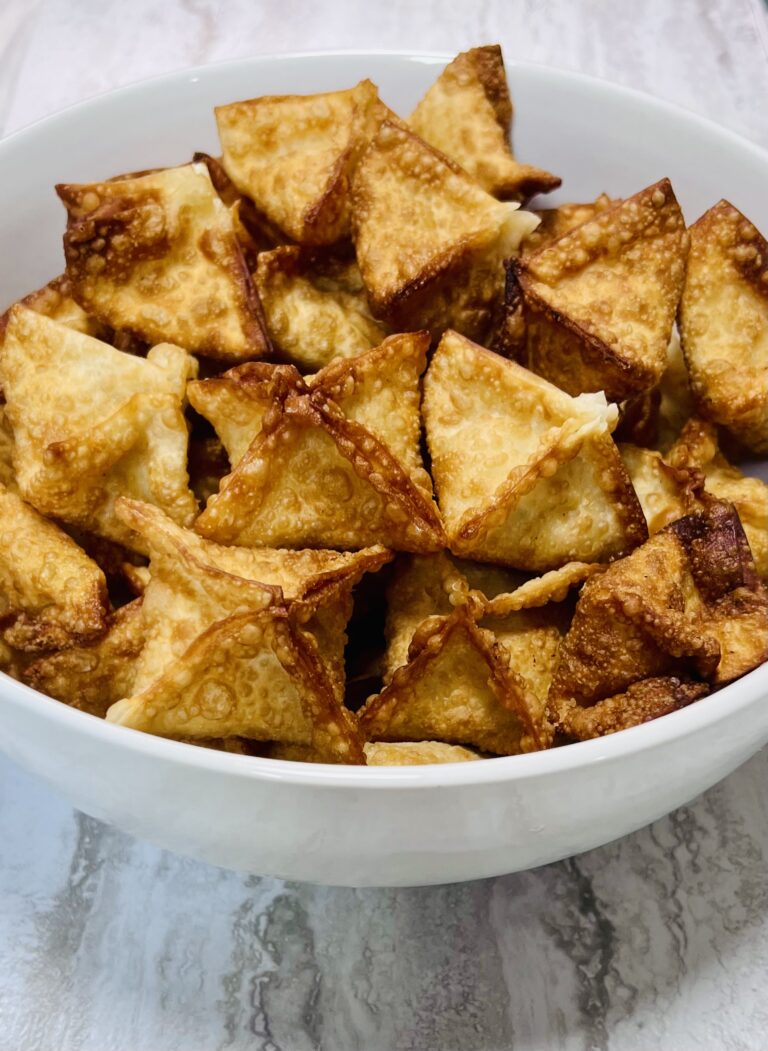
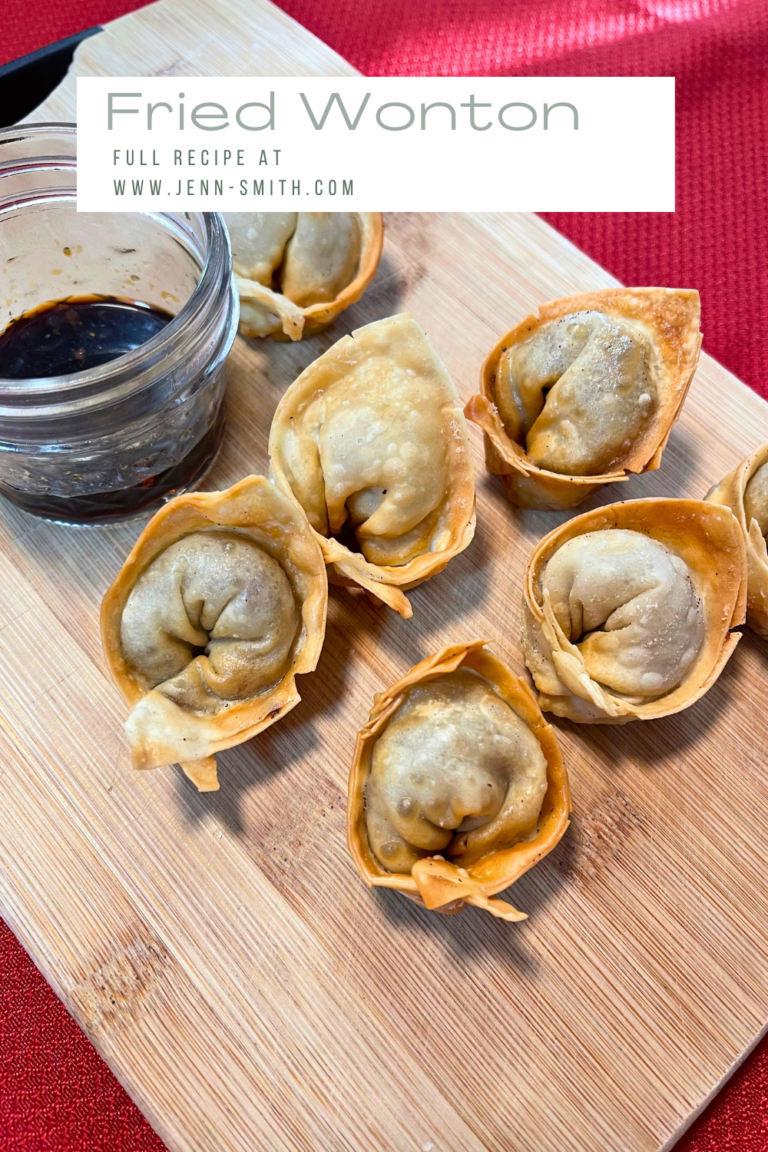
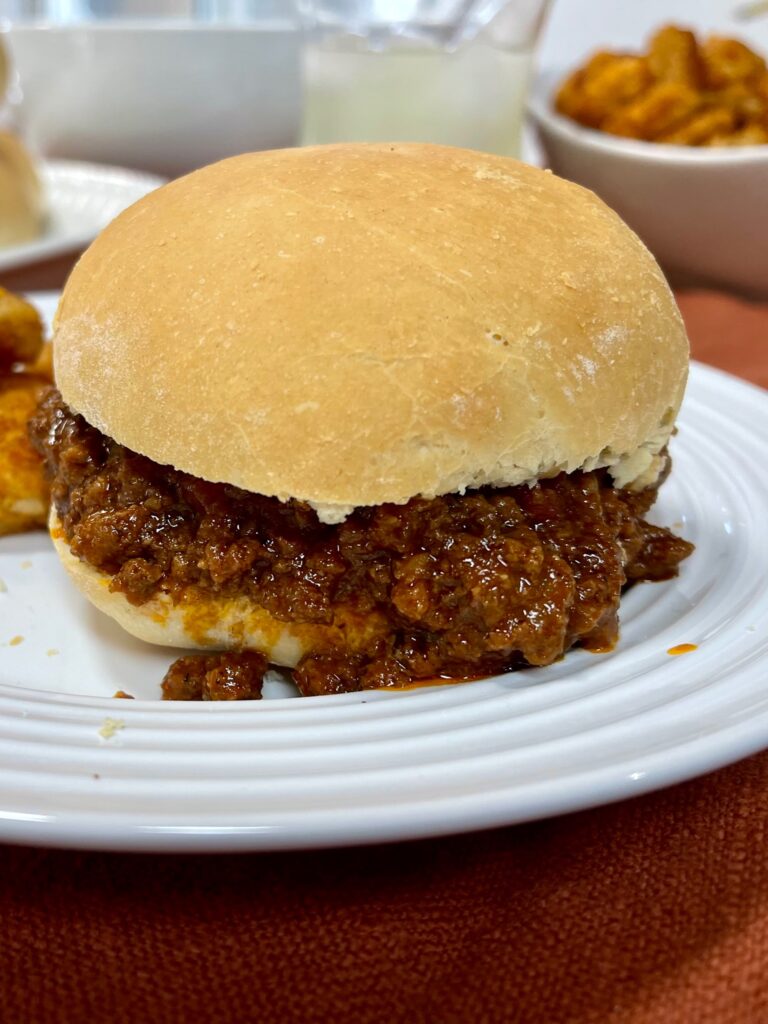
🍜 Try These Recipes From My Kitchen
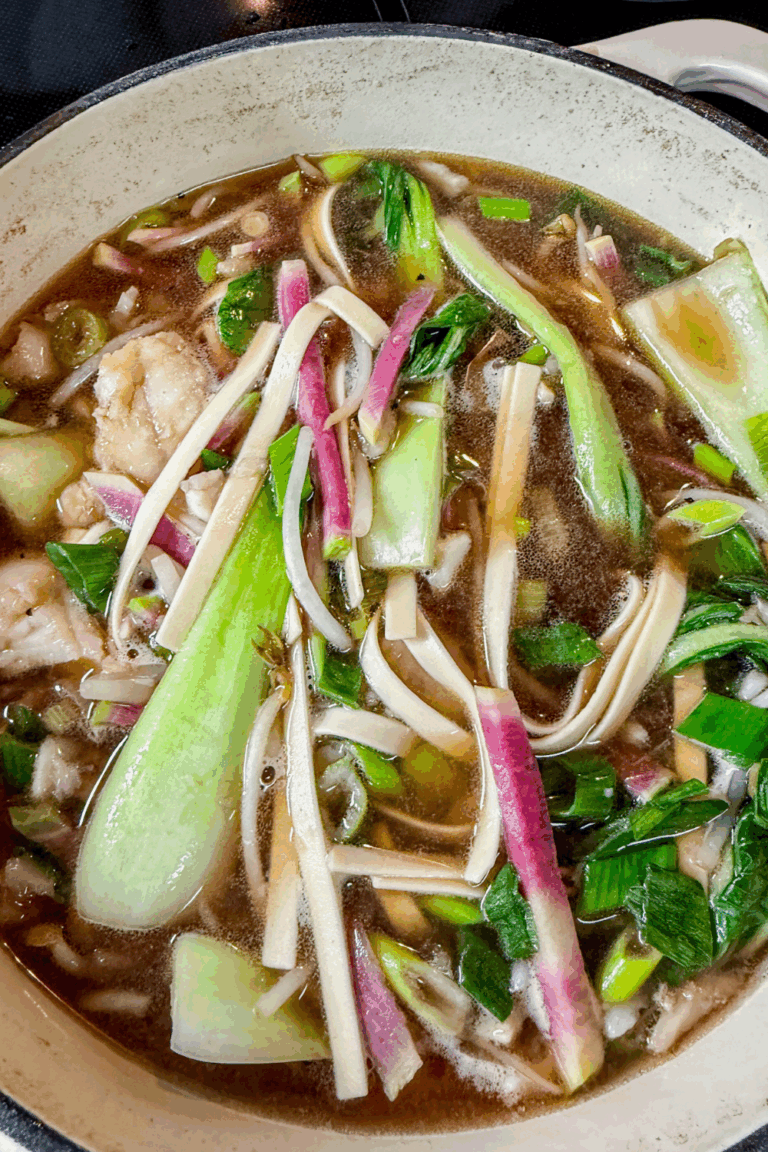
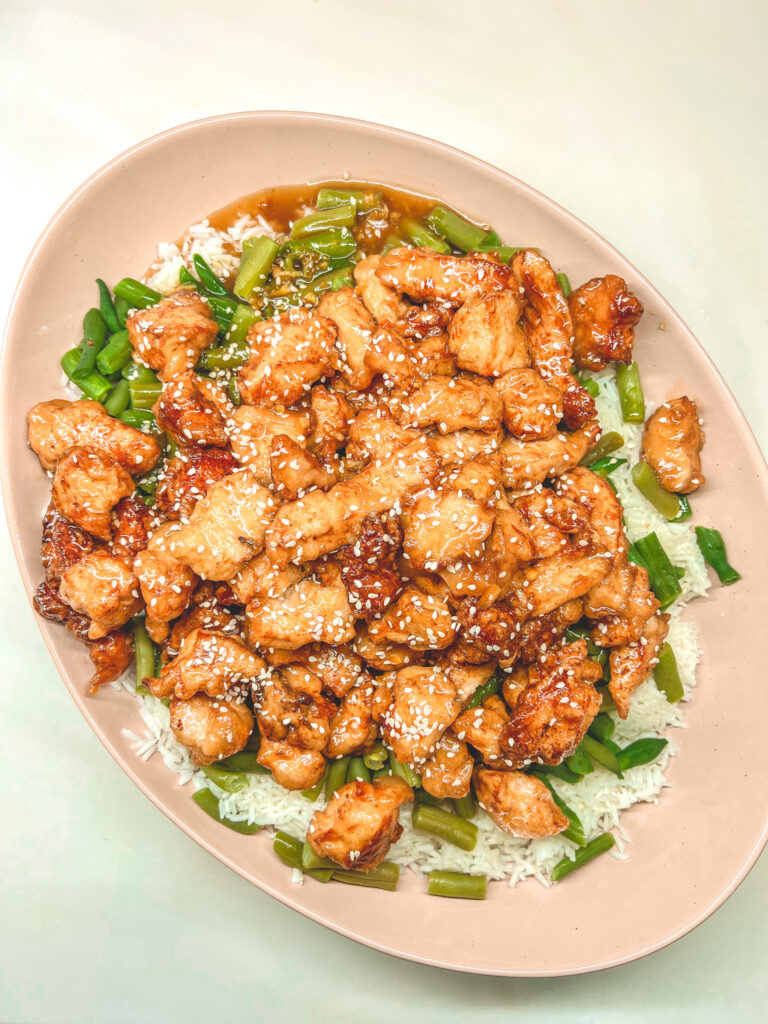
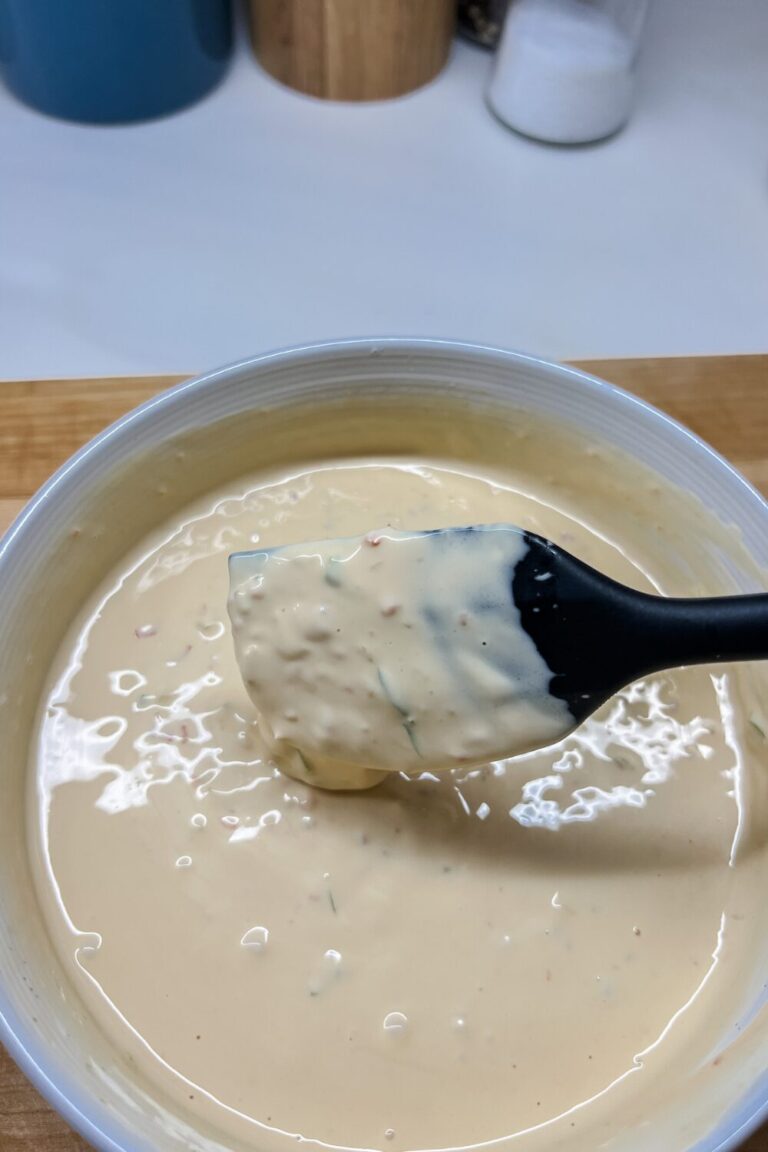
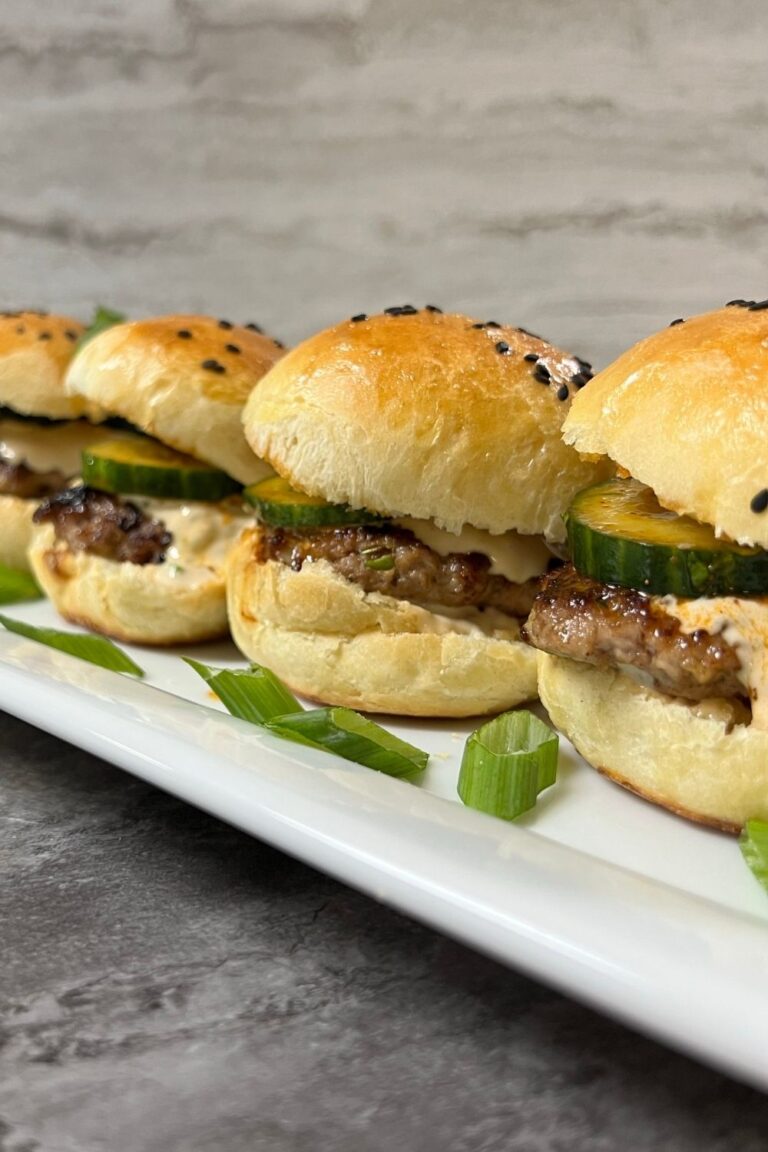
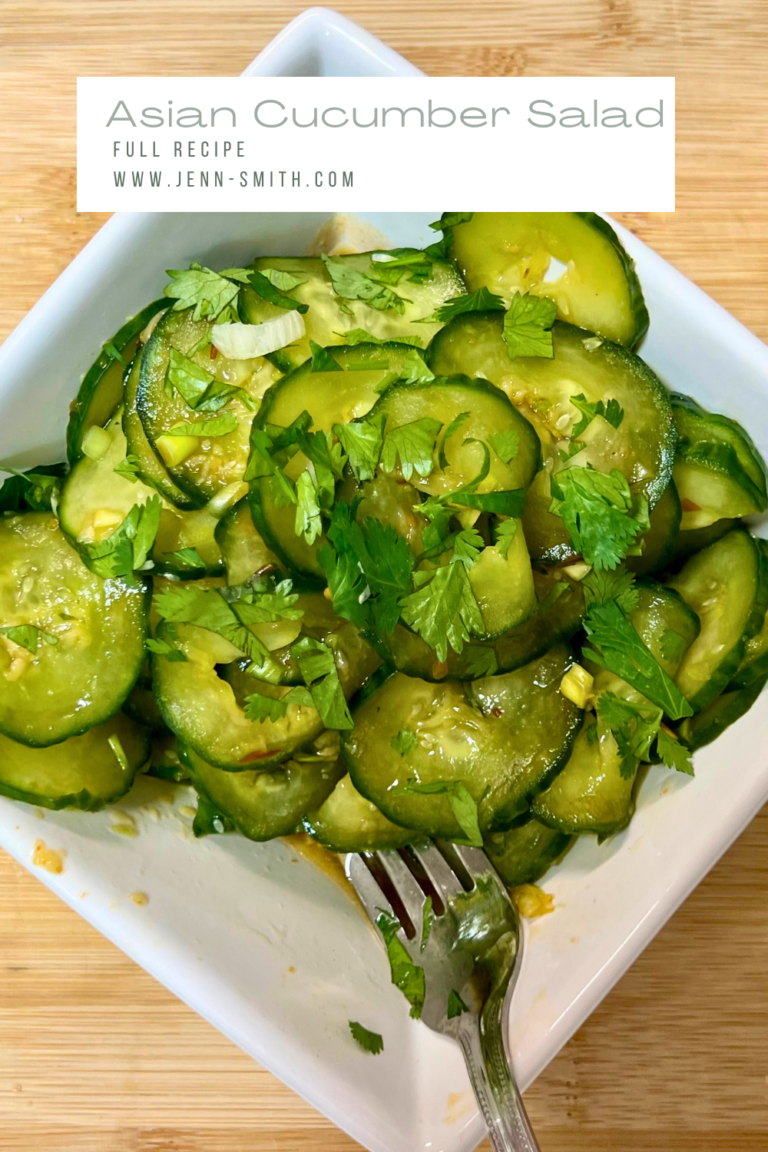
Want to see how these soy sauces work in real life? These recipes show exactly why the right bottle matters.
Light Soy Sauce (生抽)
Japanese Koikuchi Soy Sauce (Everyday Regular)
Japanese Koikuchi Low-Sodium Soy Sauce
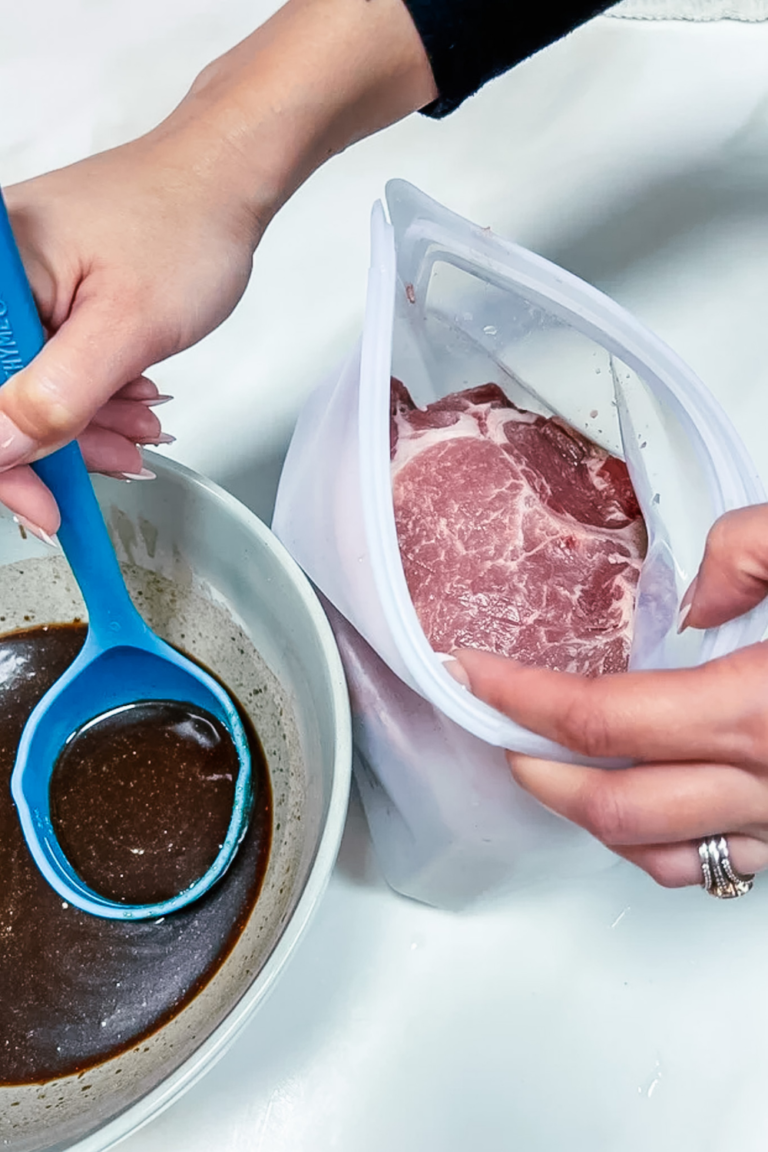
Each of these recipes was developed with a specific soy sauce in mind. Swapping bottles can subtly—or dramatically—change the final dish.
Jenn’s Kitchen Tips:
Each of these recipes was developed with a specific soy sauce in mind. Swapping bottles can change salt level, color, and depth—sometimes subtly, sometimes dramatically.
Cooking Tip: Too Much Soy Sauce? Easy Fix.
If you accidentally over-pour:
- Add something sweet (sugar, honey, mirin)
- Or something sour (vinegar or Worcestershire sauce)
Balance brings everything back into harmony.
Proper Storage of Soy Sauce
- Shelf life: 2–3 years
- Best practice: refrigerate after opening
Refrigeration slows oxidation and preserves flavor—especially for naturally brewed soy sauces.
Frequently Asked Questions About Soy Sauce
What is the difference between light and dark soy sauce?
Light soy sauce is thin and salty and used mainly for seasoning. Dark soy sauce is thicker, slightly sweet, and used for adding color and richness rather than salt.
Is Japanese soy sauce the same as Chinese soy sauce?
No. Japanese soy sauce (shoyu) is typically smoother and balanced for everyday use, while Chinese soy sauces are more purpose-driven, with separate sauces for seasoning and color.
What soy sauce should I buy if I’m a beginner?
If you’re just starting out, Japanese koikuchi soy sauce is the most versatile and easiest to use across many recipes.
Does soy sauce need to be refrigerated?
Soy sauce is shelf-stable, but refrigerating it after opening helps preserve flavor and slow oxidation.
Is soy sauce gluten-free?
Many soy sauces are not gluten-free. Traditional soy sauce fermentation often includes wheat, especially in Japanese soy sauce (shoyu) and many Chinese soy sauces.
If gluten is a concern for you:
- Always check the label
- Look specifically for gluten-free soy sauce or tamari labeled gluten-free
- Don’t assume dark or light soy sauce is gluten-free unless clearly stated
There are great gluten-free options available, but labeling matters here.
What about Korean soy sauce (Ganjang)?
While this post focuses on the Japanese and Chinese soy sauces I use most often (and are generally available at even the smallest town grocers in WI), it’s worth briefly noting Korean soy sauce, known as Ganjang (간장).
There are four main types of Korean soy sauce, each with a different purpose:
Yangjo Ganjang
- Made from soybeans plus rice, barley, or wheat
- Naturally fermented for at least 6 months
- Least salty and most complex
- Often used to season leafy vegetables and banchan (Korean side dishes)
- Typically the most expensive option
Hansik Ganjang
(also called Guk Ganjang or Joseon Ganjang)
- Made from soybeans, water, and salt only
- The saltiest of the four
- Traditionally used for seasoning soups and broths
Sanbunhae Ganjang
- A chemically brewed soy sauce
- Made by breaking down soybeans with hydrochloric acid
- Faster to produce, but lacks the depth of naturally fermented versions
Jin Ganjang
(also called Honhap Ganjang)
- A blend of Yangjo Ganjang and Sanbunhae Ganjang
- Richer, saltier, and more affordable
- Most commonly used by home cooks for everyday Korean cooking
How is Korean soy sauce quality measured?
Korean soy sauces are often graded using a T.N. (Total Nitrogen) number, which measures protein content and overall quality.
- T.N. ranges from 1.0 to 1.7
- Higher number = higher quality
- This number is sometimes reflected on bottles from brands like Sempio
For example:
- Sempio 701 → 1.7 T.N. (higher quality)
- Sempio 501 → 1.5 T.N.
Why didn’t you focus on Korean soy sauce in this guide?
This guide is meant to simplify soy sauce choices, not expand them endlessly. Japanese and Chinese soy sauces are the most commonly available and versatile for everyday home cooking, which is why I focused there.
That said, Korean soy sauces are absolutely worth exploring—especially if you cook Korean food often.
Final Thoughts
Soy sauce isn’t just salt—it’s seasoning, color, depth, and tradition in one bottle. While this post focuses on the Japanese and Chinese soy sauces I cook with most, it’s only a starting point.
There are many incredible soy sauces out there. Taste them. Experiment. Use what you love.
From my family’s kitchen to yours—happy cooking. 🥢✨
Cheers 🥂,

Want to keep learning?
If soy sauce helped unlock more flavor in your cooking, my Fish Sauce Guide is a natural next step — it’s one of my favorite ways to add depth to soups, sauces, and everyday meals.
Or, if you’re in a basics kind of mood, my post on The Importance of Washing Rice is a quick read that makes a surprisingly big difference.